Hot End Stage of Manufacturing of Glass Bottles: A Crucial Step in Precision and Quality
The manufacturing of glass bottles is a complex and highly technical process, and at the heart of this process lies the Hot End stage. This phase is responsible for shaping molten glass into strong, durable, and visually appealing containers that serve countless industries worldwide. From beverage and food packaging to pharmaceuticals and cosmetics, the demand for high-quality glass bottles continues to grow, and understanding the Hot End stage provides valuable insight into how these containers achieve such precision and reliability.
What Is the Hot End Stage?
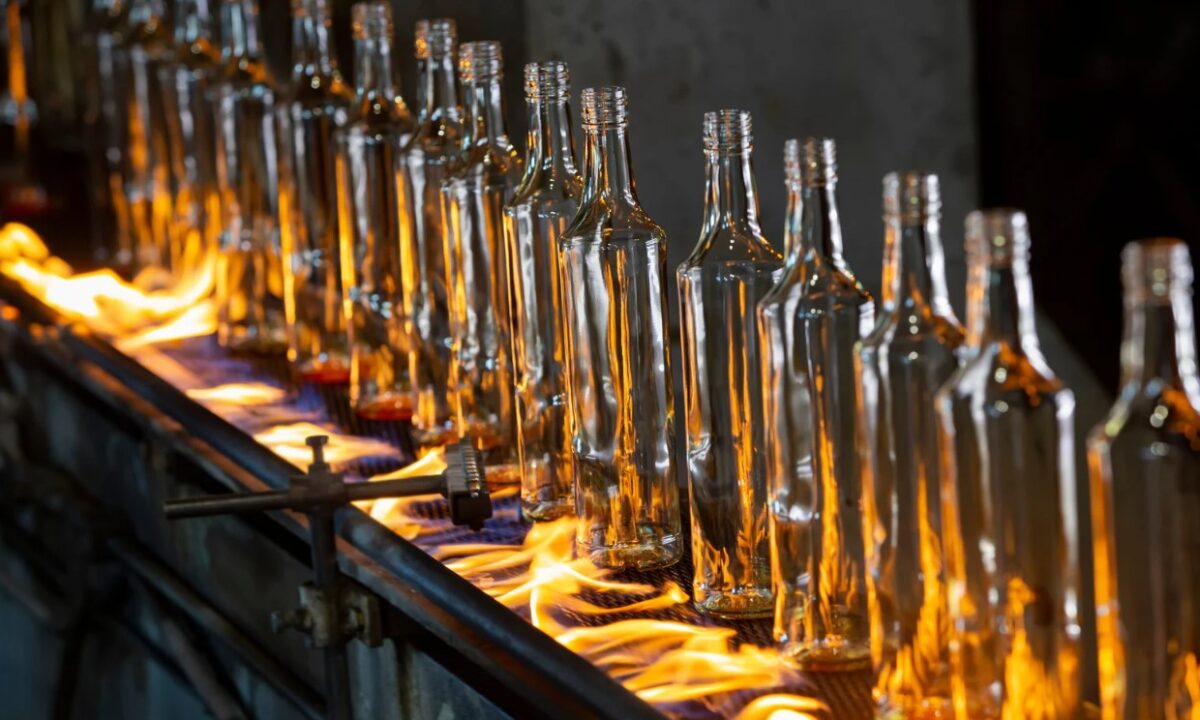
The Hot End refers to the initial part of the glass manufacturing process where molten glass, heated to temperatures exceeding 1,500°C, is transformed into defined shapes. This stage takes raw materials—typically sand, soda ash, and limestone—and melts them into a glowing, viscous liquid. Skilled technicians and advanced machinery work together to ensure the molten glass is processed efficiently and consistently.
The Hot End stage is essential because it determines the structural integrity, weight distribution, and final form of the glass bottle. Any imperfections at this stage could compromise the entire product, making accuracy and control critical.
Forming the Molten Glass
Once the molten glass reaches the required temperature and viscosity, it is cut into precise portions known as gobs. These gobs are then fed into forming machines, which shape them into preliminary molds. Two of the most common forming methods used in the Hot End are:
Blow and Blow Technique
This method is ideal for containers requiring narrow necks, such as beverage bottles. In this process, compressed air is used twice—first to create a parison (a hollow intermediate shape) and second to blow the glass into its final mold shape.Press and Blow Technique
Often used for jars and wide-neck bottles, this technique involves a plunger that presses the gob into the mold before air is used to finalize the shape.
Temperature Control: The Key to Perfection
Temperature management is one of the most critical factors in the Hot End stage. If the glass is too hot, it may sag or lose its intended shape. If it’s too cool, it may crack or form unwanted stress lines. Modern manufacturing facilities use advanced sensors and automated systems to maintain precise temperature levels throughout the process.
This meticulous regulation ensures that every bottle or jar meets stringent industry standards and maintains exceptional clarity and strength.
Mold Coating and Lubrication
To ensure smooth shaping and easy release from the mold, a fine mist of lubricant is applied to the forming equipment. This coating:
Extends mold life
Prevents sticking
Enhances surface finish
Reduces imperfections
Proper lubrication also helps maintain efficiency in high-volume production environments, where even minor interruptions can slow down productivity.
The Importance of the Hot End in Today’s Industry
As demand for sustainable packaging grows, glass continues to gain popularity due to its recyclability, purity, and premium appearance. Behind every durable and elegant glass bottle is the precision and engineering of the Hot End stage, a foundation for the product’s strength, safety, and beauty.
Today, leading Glass bottle manufacturers India, top Glass bottles suppliers, and innovative Glass jar manufacturers rely on cutting-edge Hot End technology to deliver world-class products to global markets.
Conclusion
The Hot End stage is a testament to the perfect blend of science, craftsmanship, and technology. By shaping molten glass with absolute precision, it lays the groundwork for the durable, high-quality containers used across various industries. As technology advances, the Hot End continues to evolve, ensuring glass packaging remains one of the most trusted and sustainable choices for brands and consumers worldwide.