Packaging Tips for New Juice Bottles: Standing Out on the Shelf
In today’s highly competitive beverage industry, launching a new juice product requires more than just a delicious recipe. One of the most critical elements in capturing consumer attention is effective packaging design. Juice bottle packaging doesn’t just protect the product—it communicates your brand, tells your story, and influences purchasing decisions in a matter of seconds.
If you’re preparing to launch a new juice brand or product, here are essential packaging tips to ensure your juice bottles stand out on the shelf and in consumers’ minds.
1. Start With a Strong Brand Identity
Before you even think about colors or bottle shapes, define your brand identity. Are you an organic, health-conscious brand? A fun, fruity option for kids? A premium cold-pressed juice for fitness enthusiasts?
Your brand’s personality, values, and target audience should drive your packaging choices. Consistency in your message—from your logo to your label copy—helps build trust and recognition.
2. Choose the Right Bottle Shape and Material
The shape and material of your Juice glass bottles wholesale can have a major impact on shelf appeal and user experience. Consider these common options:
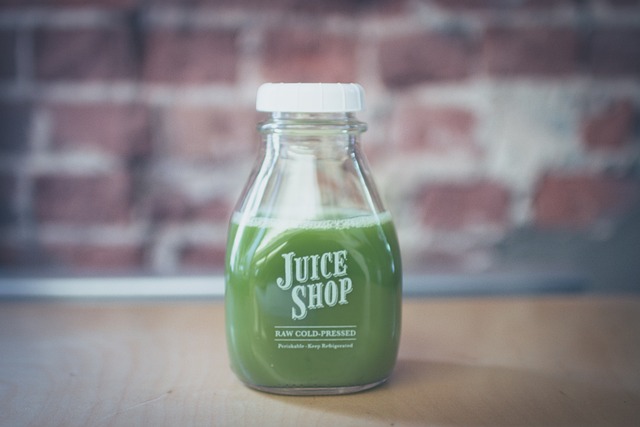
- Glass bottles: Perfect for premium or cold-pressed juices. They suggest quality and sustainability but can be heavier and more expensive.
- PET plastic bottles: Lightweight, affordable, and versatile. Popular for mass-market and kid-friendly juices.
- Unique shapes: Custom molds or ergonomic designs help your product literally stand out among traditional cylindrical bottles.
Remember, functionality matters. Make sure your bottle is easy to hold, pour, and reseal.
3. Use Bold and Clear Labeling
Your juice bottle label should do three things within a few seconds:
- Attract attention
- Communicate the product
- Encourage action (buying)
Use vibrant colors, high-contrast fonts, and clear product names to grab attention. Highlight key selling points like:
- “100% Organic”
- “No Added Sugar”
- “Cold-Pressed”
- “Rich in Vitamin C”
Also, include mandatory nutritional info, ingredients, and certifications (e.g., FSSAI, USDA Organic) for transparency.
4. Prioritize Sustainability
Modern consumers, especially Gen Z and millennials, care deeply about eco-friendly packaging. Consider:
- Recyclable materials
- Minimal plastic usage
- Plant-based inks and biodegradable labels
Promote your sustainability efforts right on the label. For example: “BPA-Free Bottle” or “100% Recycled Packaging.” These small elements build brand loyalty.
5. Test Shelf Impact with Visual Mockups
What looks great in a design file might get lost on a busy supermarket shelf. Before finalizing your design:
- Print mockups and place them next to competitors’ bottles.
- Test how they look from 6 feet away—this is your customer’s perspective.
- Make sure your branding and product type are instantly recognizable.
Tools like 3D renders or AR previews can also help you visualize and adjust packaging early in the process.
6. Make it Social Media Friendly
Packaging today needs to look good online as well as in-store. Choose colors and bottle designs that photograph well. Encourage user-generated content by including hashtags or a branded message like:
“Tag us at @YourBrand for a chance to get featured!”
This can help create organic word-of-mouth marketing and increase brand visibility beyond the shelf.
Read Also:-
- Who Are the Largest Glass Bottle Manufacturers? Spotlight on Sunrise GIPL
- 5+ Historical Glass Bottles That Were Unique in Their Class
- Pharmaceutical Glass Bottle Suppliers in India: Trusted & Certified
Final Thoughts
Your juice bottle’s packaging is the first conversation your brand has with a potential customer. Make it count. By investing in thoughtful design, sustainable materials, and strategic branding, you can ensure your juice doesn’t just get noticed—it gets chosen.