Blog
Why Glass Jars Are Preferred Over Plastic: Insights from Suppliers
1. Environmental Sustainability: A Key Factor
One of the primary reasons for the growing popularity of glass jars over plastic is the increasing awareness of environmental issues. Plastic pollution has become a significant global concern, with plastic waste taking hundreds of years to decompose. In contrast, glass is 100% recyclable and can be recycled endlessly without losing its quality or integrity.
From a supplier’s perspective, this makes glass a more sustainable choice, both in terms of production and disposal. Glass jars are often made from abundant natural materials like sand, soda ash, and limestone, making them less resource-intensive compared to plastic production. For businesses aiming to reduce their carbon footprint and meet consumer demand for eco-friendly packaging, glass jars offer a practical solution.
2. Health and Safety Considerations
For suppliers in the food and beverage industry, health and safety are paramount concerns. Glass jars are non-reactive, meaning they don’t leach chemicals or toxins into the contents they hold. This is a significant advantage over plastic, which can sometimes release harmful substances like BPA (Bisphenol A), especially when exposed to heat.
Glass jars are also odorless, preserving the natural taste and aroma of food products, something plastic containers cannot always guarantee. For products like jams, sauces, pickles, and beverages, customers are more likely to trust glass packaging, knowing that it keeps the product safe from contamination. Suppliers report that more customers are becoming aware of these potential health risks, which increases the demand for glass over plastic.
3. Durability and Product Integrity
When it comes to product integrity, glass jars outperform plastic containers. Glass is more durable and stable in terms of maintaining the integrity of its contents over time. Whether it’s a jar of high-end cosmetics or a bottle of freshly made juice, glass jars are less likely to warp, crack, or deform under pressure or temperature fluctuations.
For suppliers, this durability translates into a longer shelf life for their products. Glass jars bottles can be sealed tightly, creating a vacuum seal that extends freshness, while the material itself is more resistant to physical damage during storage and transportation. This means fewer product returns and higher customer satisfaction, making glass a preferred option for both brands and consumers.
4. Brand Perception and Aesthetics
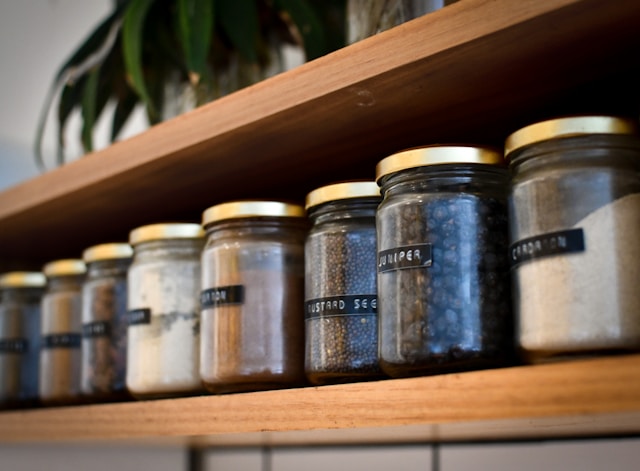
The aesthetic appeal of glass jars is another reason they are preferred over plastic. Glass is often associated with quality, luxury, and sophistication. Whether it’s a high-end cosmetic brand or artisanal food products, glass jars help elevate the product’s visual appeal, signaling premium quality to customers.
For suppliers, packaging is an essential part of branding. The look and feel of the packaging can influence a consumer’s purchasing decision. Glass jars offer customization options like embossed logos, tinted glass, and sleek designs that are difficult to replicate with plastic. The transparent nature of glass also allows customers to clearly see the contents, increasing trust in the product’s authenticity and quality. This visual appeal has made glass a go-to option for brands that want to stand out on shelves.
5. Consumer Preference for Eco-Friendly Choices
Consumers are becoming increasingly eco-conscious, and their purchasing decisions reflect this shift. Studies have shown that customers are more likely to support brands that prioritize sustainability. Glass jars are seen as an environmentally responsible choice and can influence the purchasing behavior of consumers who are concerned about reducing their environmental impact.
Suppliers who offer glass packaging can position themselves as environmentally responsible, gaining a competitive edge in a marketplace where consumers value sustainability. In fact, many brands are actively switching from plastic to glass to cater to the growing demand for greener alternatives. This shift not only helps protect the environment but also enhances brand loyalty and appeals to eco-conscious customers.
6. The Cost Factor: Long-Term Investment
Although glass jars can be more expensive than plastic containers, they are often seen as a better long-term investment. The higher upfront cost is balanced by the added benefits of durability, product protection, and aesthetic appeal. Suppliers report that customers are willing to pay a little extra for the quality and sustainability that glass provides, especially when it comes to high-value products like gourmet foods or luxury cosmetics.
Additionally, the recyclability of glass can help offset some of the environmental costs associated with production. When a glass jar is recycled, it can be reused to create new packaging, reducing the need for raw materials and minimizing waste. For businesses looking to adopt a circular economy model, glass jars are an ideal choice.
Check Also:-
Conclusion
The preference for glass jars over plastic is a trend that continues to grow, driven by environmental concerns, health considerations, and the desire for quality packaging. Glass jars provide suppliers with a sustainable, durable, and aesthetically appealing option that resonates with eco-conscious consumers.